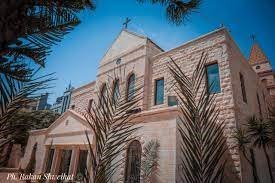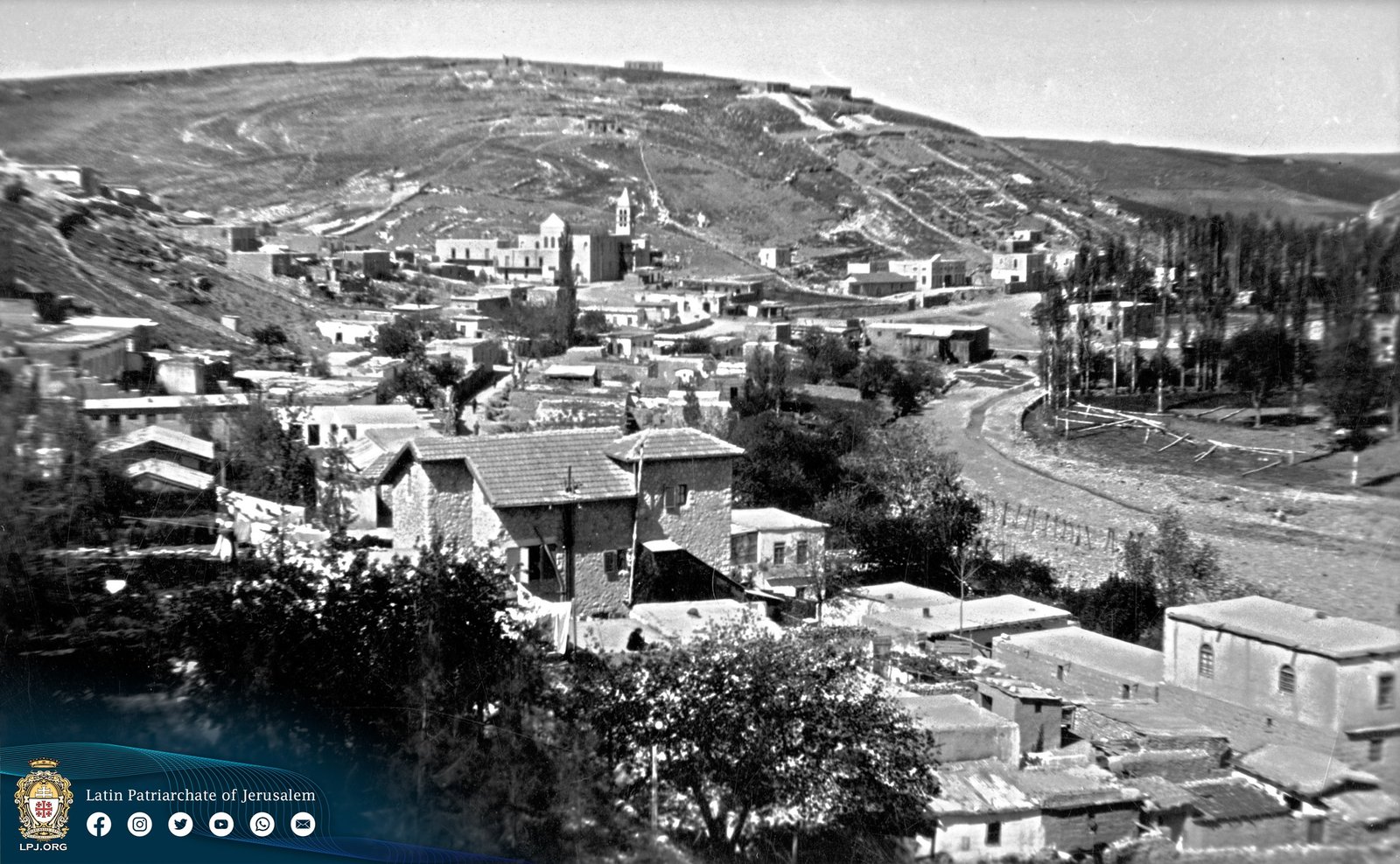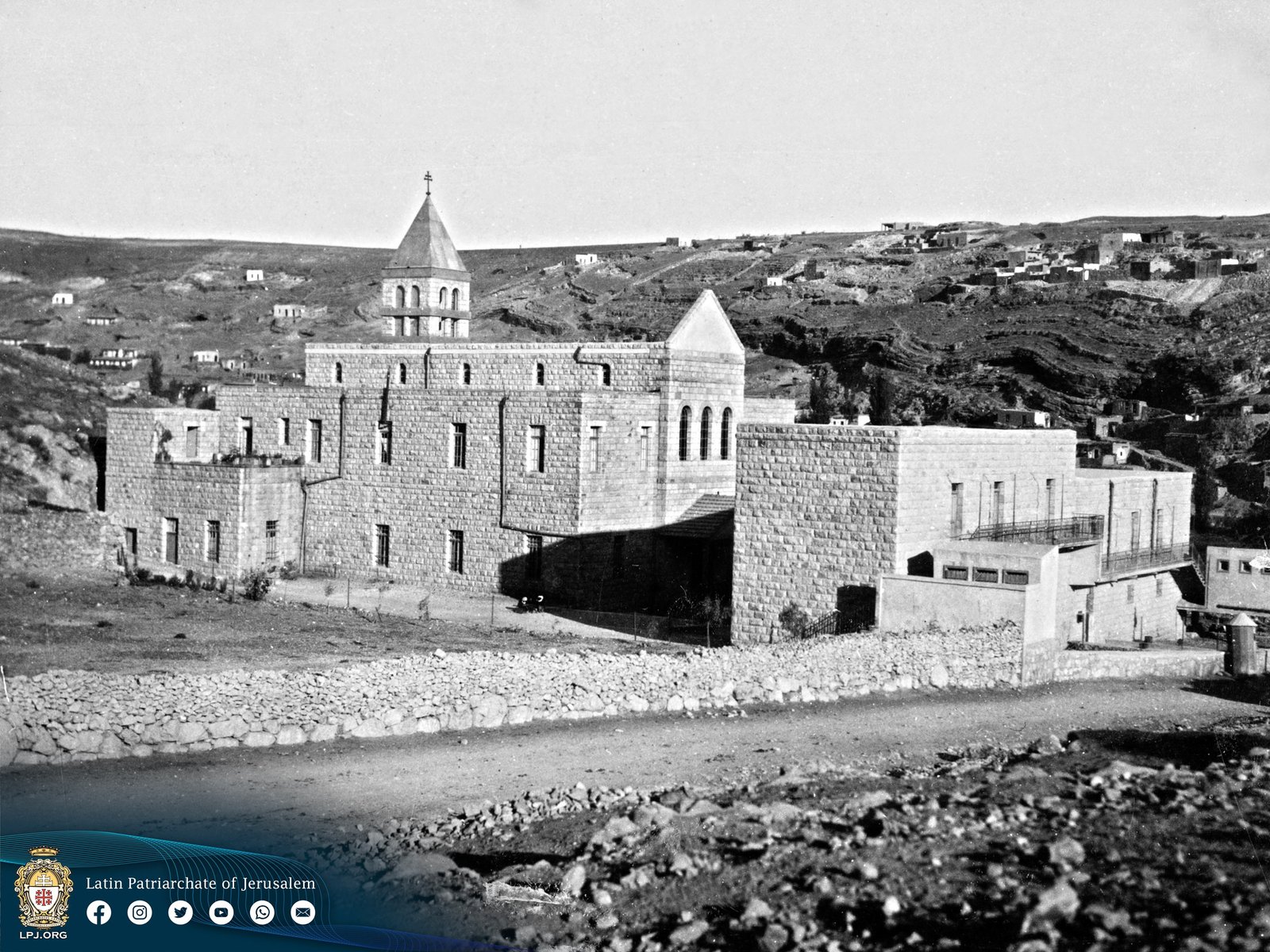
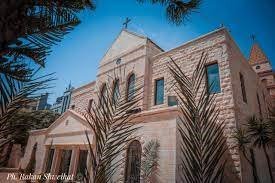
Al Misdar Parish - Christ the King Church
Holy Mass Schedule
| Day / Occasion | Time | Notes |
| Sunday | 10:30 AM | Morning Mass |
| Sunday | 7:00 PM | Evening Mass |
| Daily Mass | 6:00 PM | Weekdays |
| First Friday of the Month | 9:00 AM | Arabic Mass |
| Every Friday | 10:00 AM | English Mass |
Activities & Events Schedule
| Activity / Group | Day | Time | Frequency |
| Youth (University & Working) | Tuesday | 7:00 PM | Weekly |
| Marian Ladies Confraternity | Wednesday | 4:30 PM | Weekly |
| Scouts Group (All Ages) | Saturday | 4:30 PM | Weekly |
| Choir | Saturday | 6:30 PM | Weekly |
| Caritas / Charity Committee Meeting | — | — | Once a month |
| Parish Council Meeting | — | — | Twice a month |
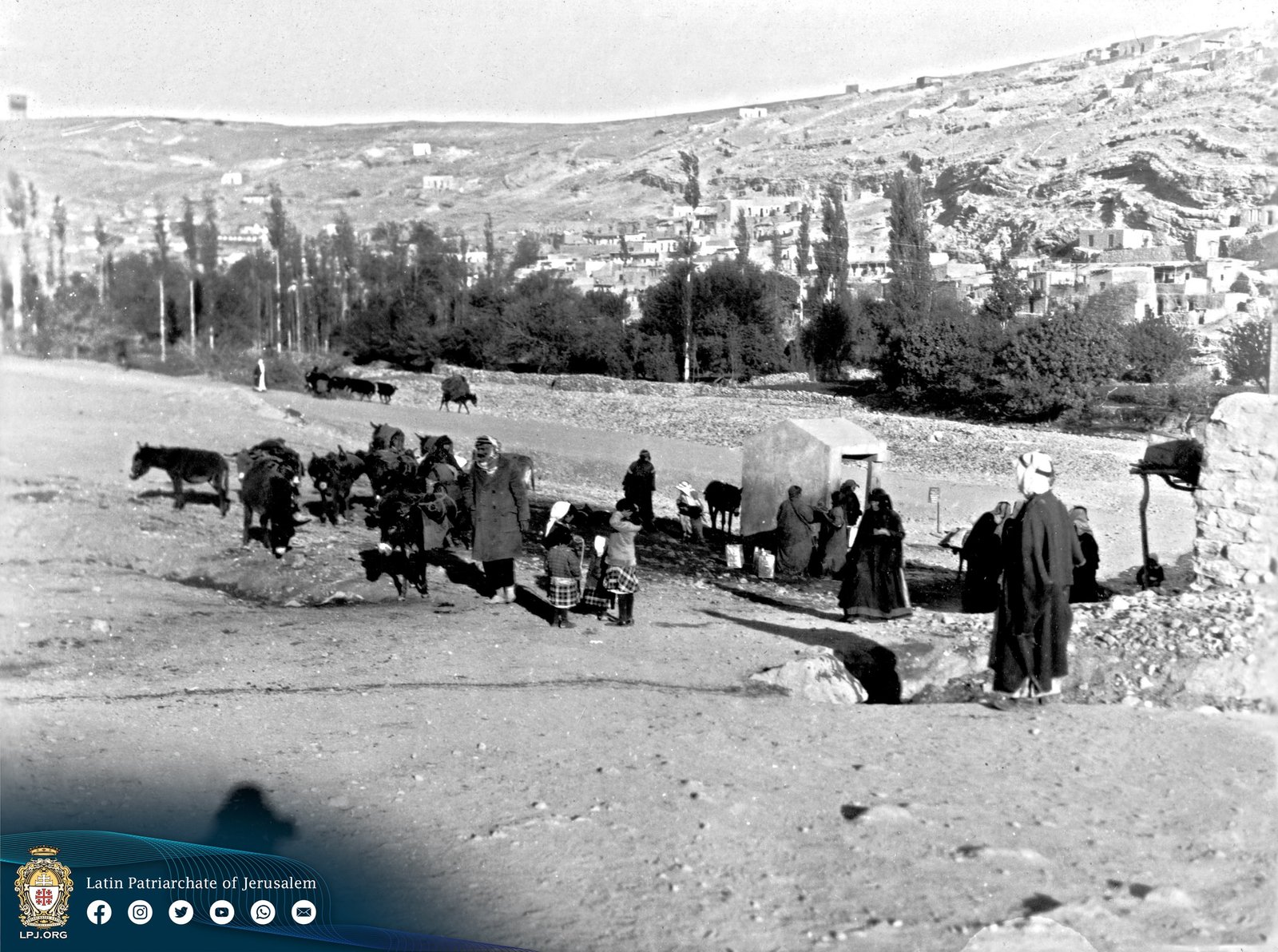
In the Bible, this region was known as Ammon or the Ammonite Kingdom. Rabbath Ammon, great city of the Ammonites in the Old Testament, was the capital of the kingdom and famous for its springs and citadel. King David sent Joab, head of the Israelite army, to besiege Rabbath, after being insulted by King Nahash. On taking the town, David burnt many of the inhabitants alive in a brick kiln.
The ancient Semitic name of Amman was first changed to Philadelphia, Greek for brotherly love, by Ptolemy the Second, who reigned from 283 to 246 B.C. and occupied and rebuilt the city. He was supposedly given the nickname of Philadelphus, so it was named Philadelphia after him.
During the Roman period, Herod took the city in 30 B.C. and it became an important center along the trade route from Syria to the Red Sea.
Later in Byzantine times, it was the seat of the Christian Bishops of the area. Its importance declined during the 10th century, gradually being reduced to nothing more than a village, until a colony of Circassians settled here in 1878. By the early 20th century there were only about 2000 inhabitants and for almost a century it became little more than a stopping place on the Damascus to Medina railway.
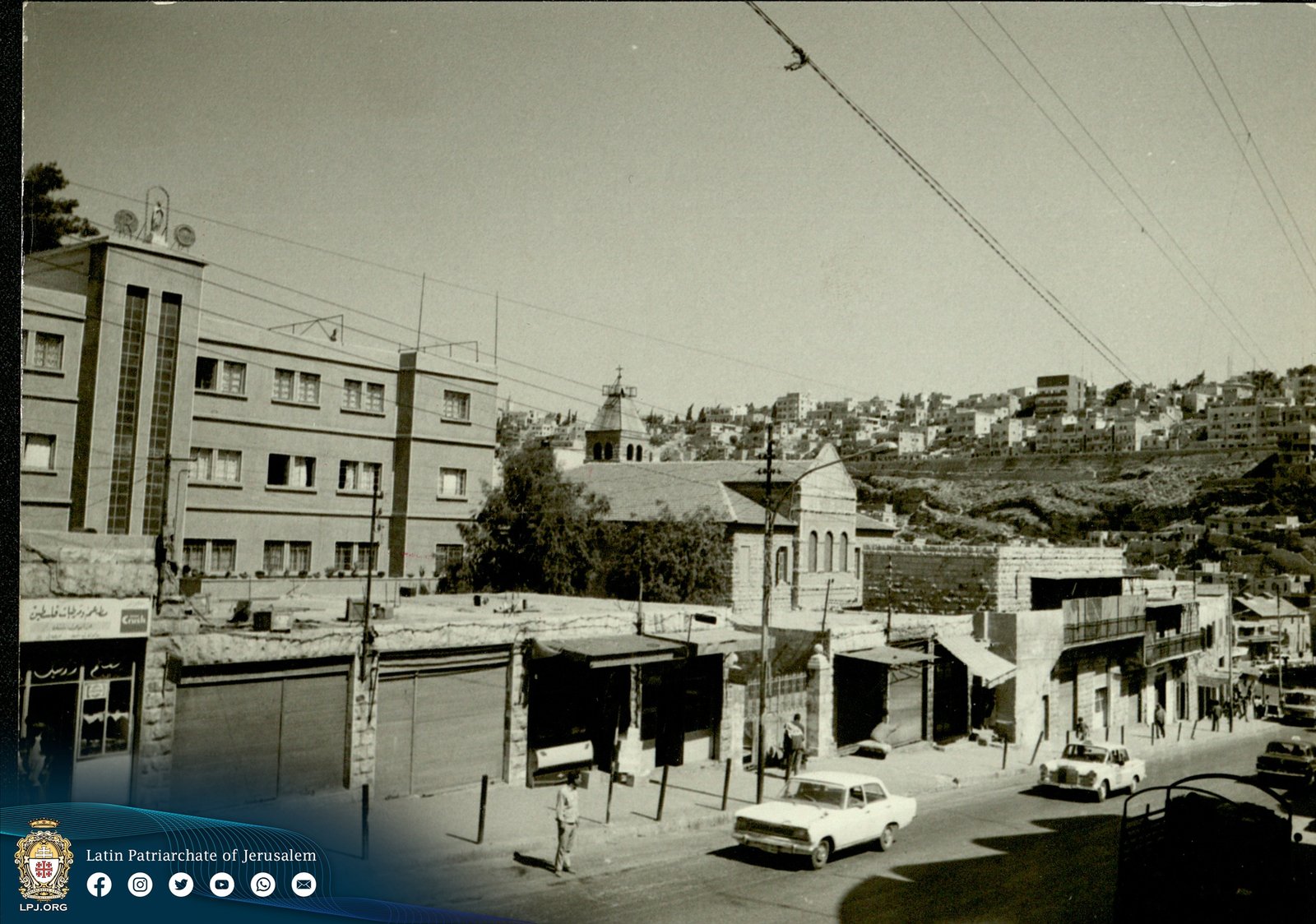
In 1921, Emir Abdullah made it his headquarters, so it became the central, administrative town and capital of Transjordan. With the foundation of the Hashemite Kingdom of Jordan in 1946 it continued as capital of the Kingdom. Following the troubles in their land west of the Jordan in 1948, many Palestinians settled in the city.
First visit | 1889 |
opening | First time 1889 Second time 1924 |
The priest’s residence | October 1924 |
Arrival of the Rosary Sisters | 1925 |
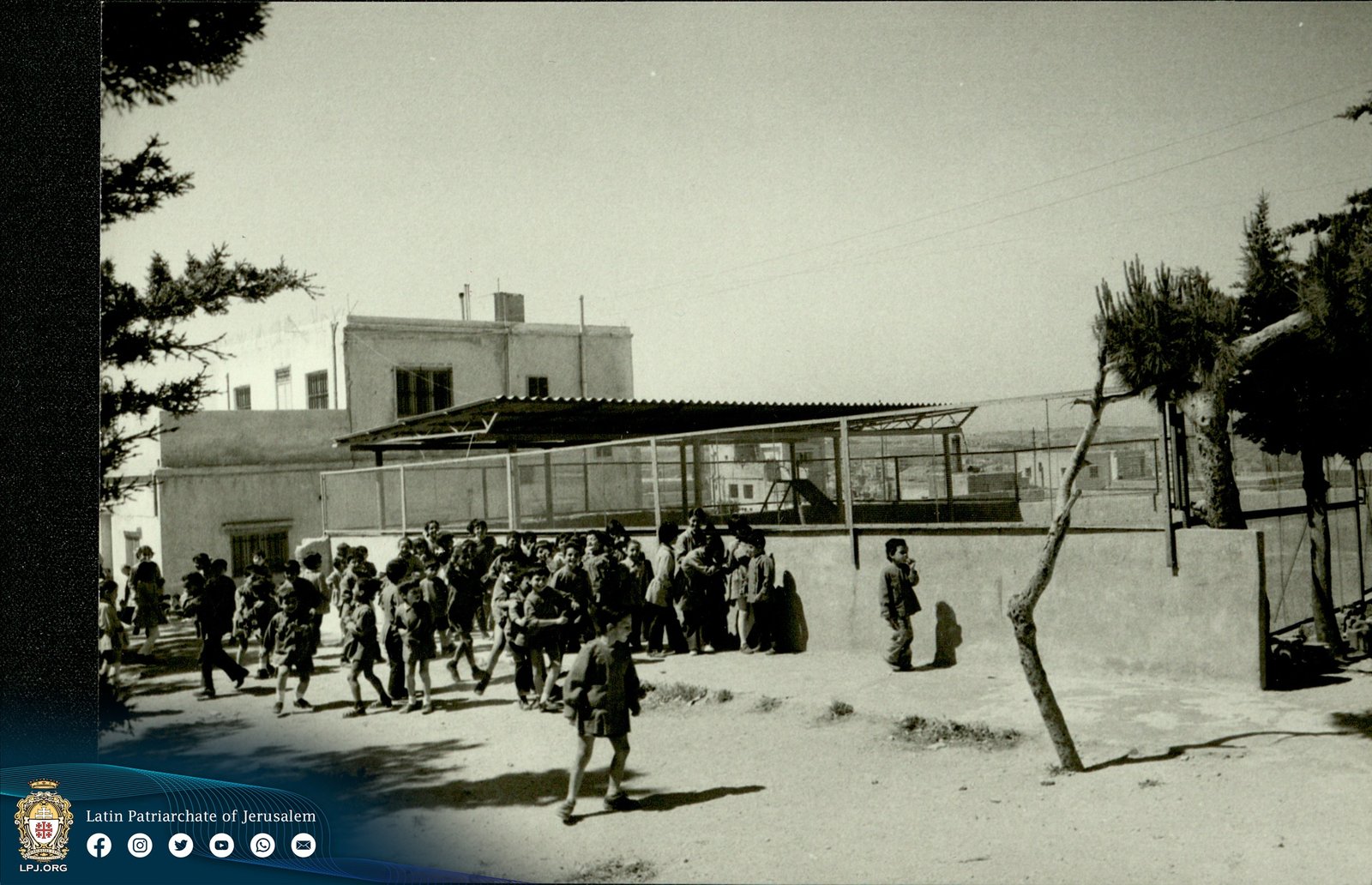
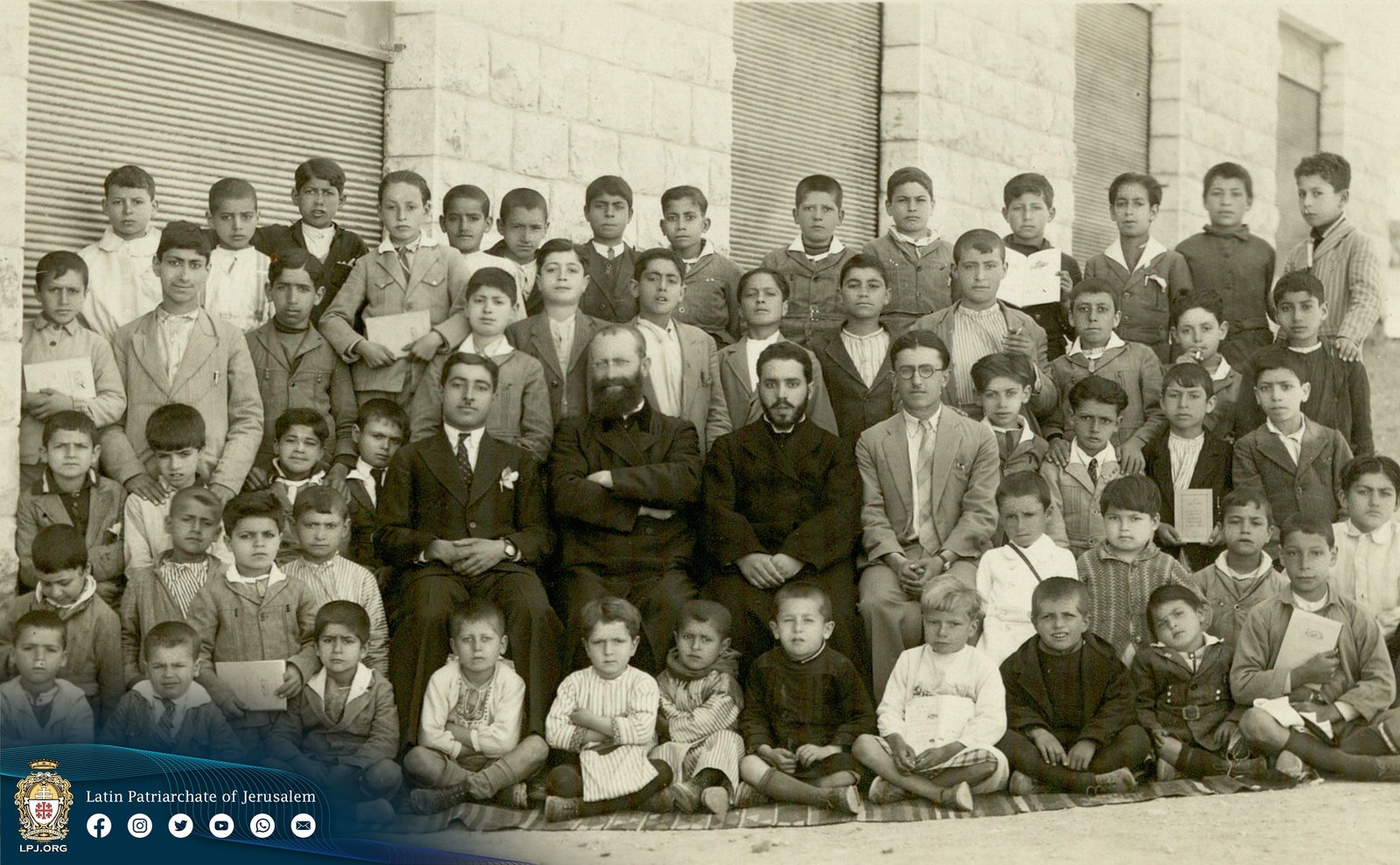
Opening of the Rosary School | 1949 |
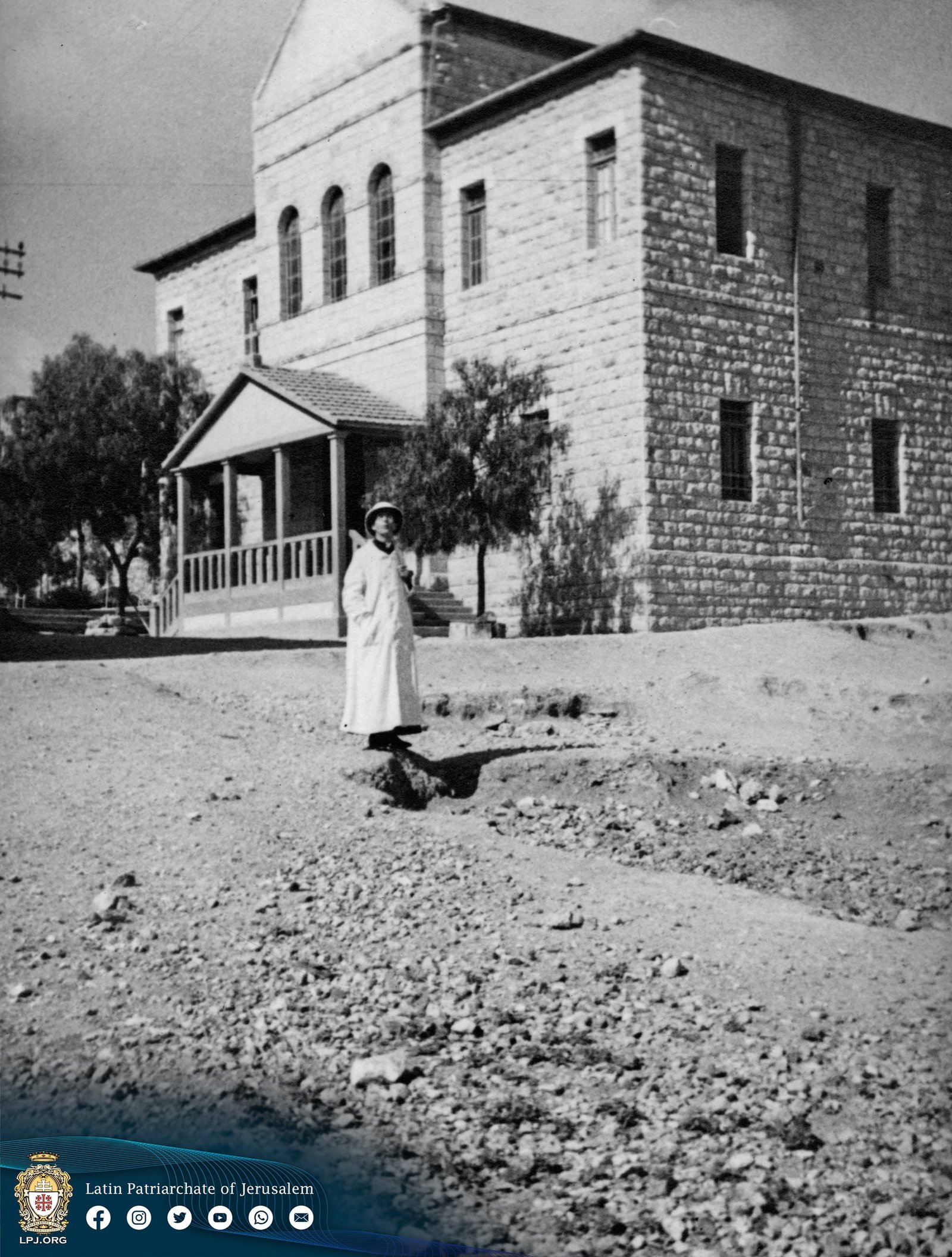
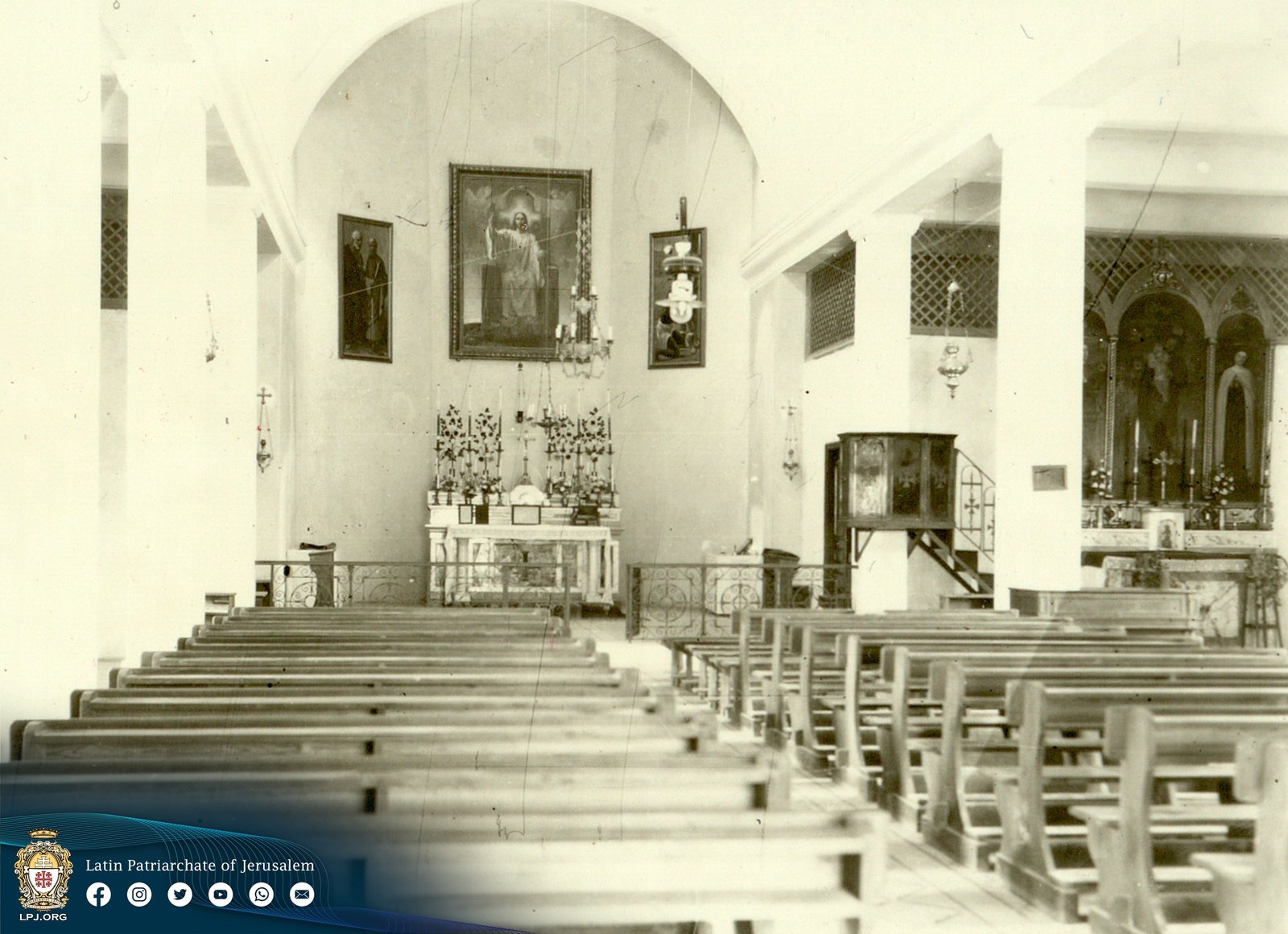
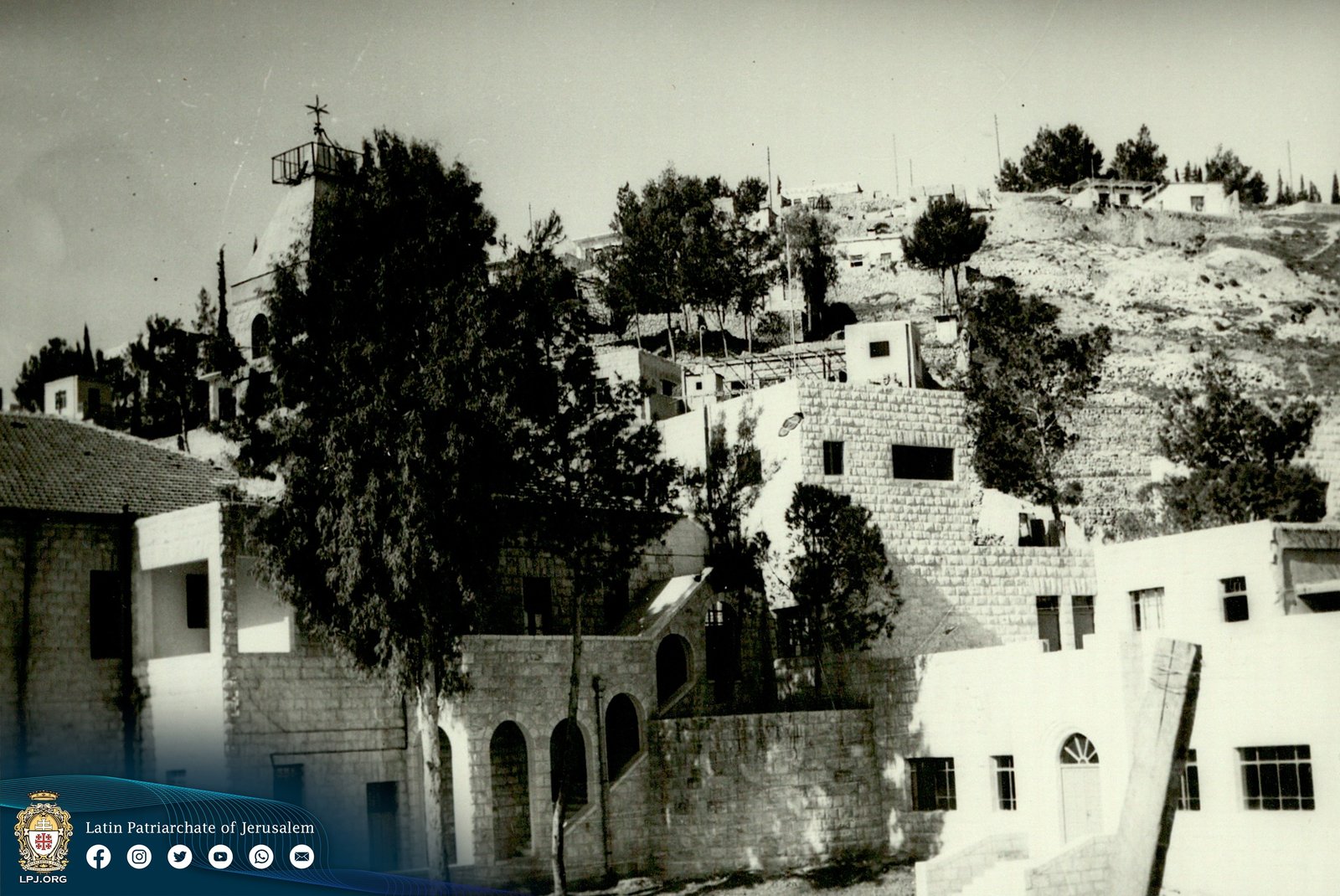
Construction of the church | 1928 (Father Anton Zeitoun and Father Leander Girard) |
Blessing of the church | 1929 |
Construction of priest’s residence | 1929/1928 And 1953/1952 |